
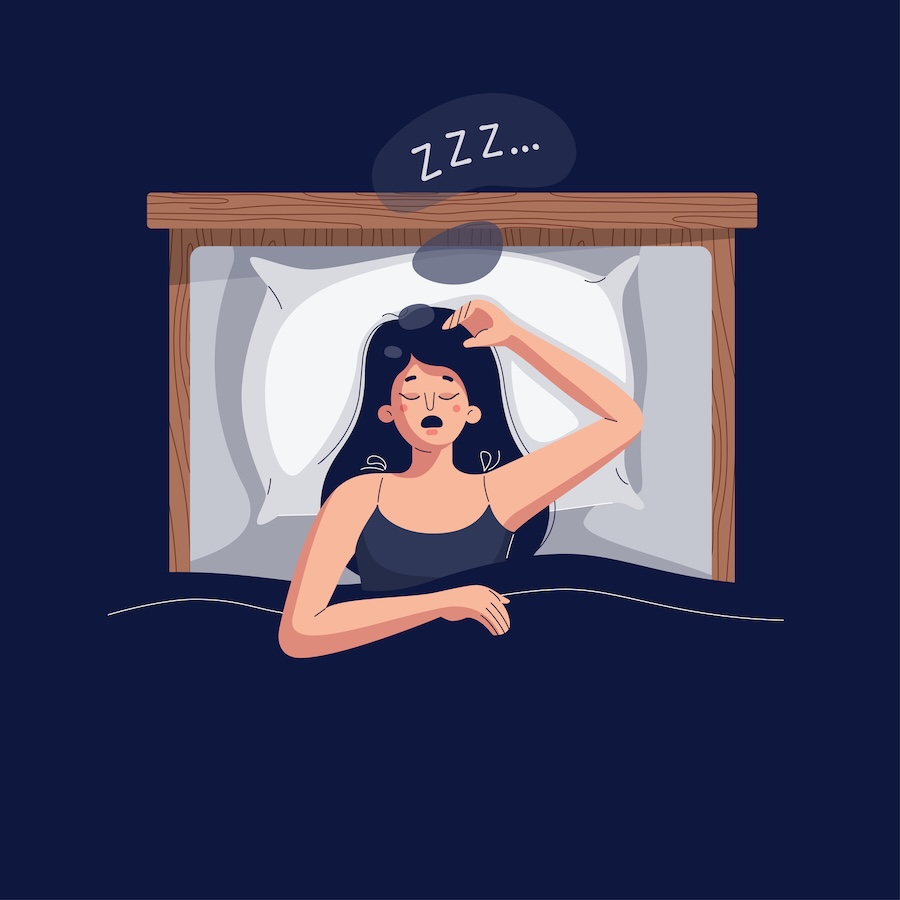
Can Dental Problems Affect Your Sleep?
February 27, 2026 9:00 amWhen sleep issues come up, most people think about stress, screen time, or caffeine. Dental health usually isn’t part of the conversation. Still, problems in the mouth and jaw can quietly interfere with sleep quality, sometimes without people realizing there’s a connection.
Dental-related sleep disruptions don’t always look obvious. They often show up as restless sleep, morning headaches, jaw soreness, dry mouth, or feeling tired even after what should have been a full night of rest.
Jaw Pain and Tension Can Disrupt Rest
Jaw discomfort is a common but overlooked sleep disruptor. Clenching and grinding can cause muscle fatigue and inflammation that make it harder for the body to fully relax at night.
Some people wake up with tightness in their jaw, facial soreness, or headaches and assume stress is the cause. While stress can play a role, dental factors like bite alignment and tooth wear often contribute to ongoing tension that affects sleep quality.
Teeth Grinding Often Happens While You’re Asleep
Bruxism, or teeth grinding, commonly occurs during sleep. Because it happens unconsciously, many people don’t realize it’s happening until they notice worn teeth, jaw pain, or sensitivity.
Grinding can repeatedly interrupt sleep cycles, even if you don’t fully wake up. Over time, this can lead to lighter, less restorative sleep and ongoing morning fatigue.
Oral Discomfort Can Make Sleep Harder
Dental pain doesn’t always show up as a sharp toothache. Low-level discomfort, pressure, or sensitivity can become more noticeable at night when distractions fade.
Issues like untreated decay, cracked teeth, or gum inflammation can interfere with falling asleep or staying asleep. Even mild discomfort, when it happens night after night, can quietly affect sleep quality.
Mouth Breathing and Dry Mouth at Night
Dental issues can also contribute to mouth breathing, which often leads to dry mouth during sleep. Reduced saliva allows bacteria to build up more easily and can cause irritation that affects comfort overnight.
Waking up with a dry mouth, sore throat, or persistent bad breath can be signs that oral health or airway-related factors are interfering with restful sleep.
How Dentists Help Screen for Sleep Apnea
Sleep apnea is a condition where breathing repeatedly pauses during sleep, often without the person realizing it. While it’s diagnosed through a sleep study, dentists play an important role in screening for risk factors and signs during routine exams.
Dentists often notice things like tooth wear from grinding, jaw position, airway size, scalloped tongue edges, chronic dry mouth, or a history of snoring and daytime fatigue. These signs don’t confirm sleep apnea, but they can indicate that further evaluation may be helpful.
When patterns suggest a possible concern, dentists can help guide patients toward appropriate next steps, such as discussing symptoms with a physician or sleep specialist.
Oral Appliances and Dental Support for Sleep Apnea
For some patients diagnosed with obstructive sleep apnea or teeth grinding, custom-fit oral appliances can be an effective treatment option. These devices are designed to reposition the jaw to help keep the airway open during sleep or to provide protection that reduces the damage caused by grinding.
Dentists who are trained in dental sleep medicine can help determine whether an oral appliance may be appropriate and ensure it fits comfortably and functions properly. Oral appliances are not right for everyone, but for certain patients, they can significantly improve sleep quality and comfort.
Addressing Dental Factors Can Support Better Sleep
Not every sleep issue is dental-related. However, when oral health plays a role, addressing it can make a meaningful difference. Bite evaluations, nightguards for grinding, treating dental decay, managing gum inflammation, and screening for airway concerns can all help reduce nighttime discomfort.
Better comfort often leads to better sleep.
Dental Care and Sleep Health at Stillwater Dentistry in Rome, GA
At Stillwater Dentistry, oral health is viewed as part of overall wellness, including how patients feel day to day. Dr. Saahil Patel, Dr. Aditi Mandalaywala, and Dr. Christopher Keenan help patients identify dental factors that may be contributing to jaw tension, grinding, dry mouth, or disrupted sleep.
If you’re waking up with headaches, jaw pain, or ongoing fatigue — or if snoring has become a concern — a dental exam can be a practical place to start the conversation.
Contact UsCategorised in: Dental Tips
 Team
Team Preventive
 Restorative
 Cosmetic
 Sedation