How to Strengthen Weak Enamel Naturally
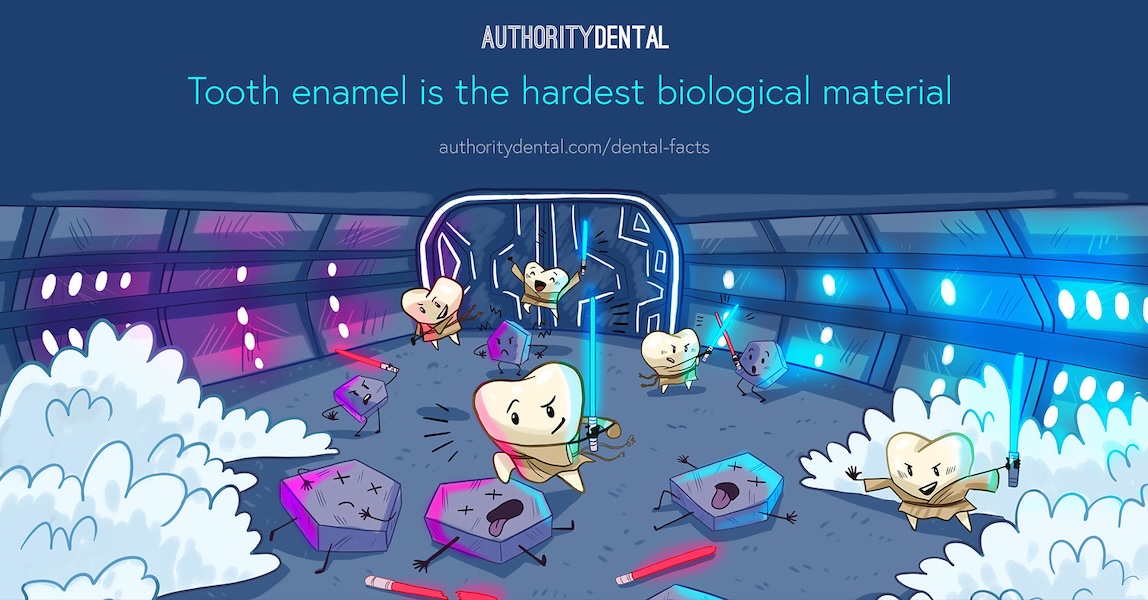
January 23, 2026 9:00 amTooth enamel is the thin, mineralized shell that protects the more sensitive inner layers of your teeth. It’s incredibly tough — in fact, it’s the hardest substance in the human body — but it doesn’t regenerate once it’s worn away. That means the enamel you have now needs support so it doesn’t get softer or thinner over time.
If you’ve noticed sensitivity to hot or cold, rough edges where enamel looks worn, or small grooves on the biting surfaces of your teeth, that’s your mouth signaling that enamel strength matters. The good news is there are practical, research‑supported ways to help teeth hold up better — without dramatic life changes.
At Stillwater Dentistry in Rome, GA, Dr. Saahil Patel, Dr. Aditi Mandalaywala, and Dr. Christopher Keenan work with patients to protect enamel through sensible, everyday steps that complement professional care. Let’s walk through what actually helps.
How Enamel Softening Happens
Acids are enamel’s main adversary. Every time you eat or drink something acidic — soda, citrus, wine, even fruit juice — the pH in your mouth drops. When that happens, enamel temporarily becomes softer. If acid exposure is frequent, the enamel doesn’t have enough time to recover, and over time the surface starts to wear.
But acid isn’t the only factor. Breath patterns (mouth breathing), chronic dry mouth, or certain medications can reduce saliva, which normally helps neutralize acid and bring minerals back to the enamel surface.
Rethinking What You Drink and When
Your drink choices matter, but it’s not about guilt — it’s about timing. A soda sipped throughout the day bathes your teeth repeatedly in acid. Having that same soda with a meal means your mouth experiences a single acid challenge, which saliva can help recover from more quickly.
Water, on the other hand, doesn’t lower pH and helps flush sugars and acids away. Swishing water around after acidic or sugary foods and drinks gives your saliva a chance to restore balance faster.
Gentle Brushing Makes a Difference
Brushing too hard wears enamel over time just as acid does. Think of brushing as sweeping away debris gently, rather than chipping at a surface. Use a soft‑bristled brush and toothpaste with ingredients that support enamel repair.
Two classes of toothpaste ingredients worth knowing:
Fluoride: Fluoride integrates into the enamel surface and helps it resist acid. Most adults benefit from fluoride toothpaste; it’s one of the most well‑studied ways to “harden” enamel against decay.
Hydroxyapatite: This mineral is similar to the natural building blocks of enamel. Toothpastes with hydroxyapatite can help smooth microscopic rough spots and make the surface less prone to sensitivity.
Both can be good options; a dentist can help you choose based on your needs.
Small Extras That Really Help
Most people don’t think beyond brushing and flossing — but a few additions make a measurable difference:
Fluoride varnish: Applied in the dental office in a thin coat, fluoride varnish delivers a concentrated dose of fluoride directly to the enamel surface. It’s especially helpful if you notice sensitivity or early wear.
Xylitol: This natural sweetener doesn’t feed cavity‑causing bacteria the way sugar does. Chewing xylitol gum after meals stimulates saliva and reduces acid levels, which gives enamel more opportunities to recover.
These aren’t “miracles,” but combined with good daily routines, they support what your mouth is doing naturally and help enamel stay stronger longer.
Protect Teeth From Physical Wear
Acid isn’t the only source of enamel wear. Grinding or clenching — especially at night — physically abrades enamel. You might notice flattened chewing surfaces, chips, or increased sensitivity as a result.
If this sounds familiar, a custom nightguard from Stillwater Dentistry can create a buffer between upper and lower teeth. It’s not a cure for grinding, but it protects enamel from the repetitive stress that speeds its loss.
Keep Saliva Flowing
Saliva is your mouth’s built‑in defense system. It neutralizes acidity, washes food particles away, and supplies minerals back to enamel. When saliva flow is reduced, enamel is exposed to acid longer, and recovery takes more time.
Staying hydrated helps, but some people have chronically dry mouths due to medications or medical conditions. If dry mouth is a concern, bring it up at your next visit — there are products and lifestyle changes that can help.
Routine Dental Checkups Catch Wear Early
Enamel wear often begins gradually. A routine dental exam gives Dr. Patel, Dr. Mandalaywala, or Dr. Keenan a chance to spot early signs — soft areas, rough patches, sensitivity trends — and suggest targeted strategies before the wear becomes more noticeable.
Professional cleanings also remove sticky bacterial buildup that contributes to acid production — another layer of protection for enamel.
Practical Changes That Add Up
You don’t need to overhaul your life to give enamel a better chance. Often it’s the small, consistent adjustments that matter most: choosing water after meals, brushing with a gentle touch, adding a gum with xylitol, and staying on top of regular dental care. These steps don’t just support enamel; they help your whole mouth stay healthier with less effort.
If enamel thinning or sensitivity is something you’ve noticed — or you’d just like a check‑in and personalized plan — call Stillwater Dentistry in Rome, GA. Dr. Saahil Patel, Dr. Aditi Mandalaywala, and Dr. Christopher Keenan can help you understand what’s happening and guide you toward a strategy that helps your teeth stay strong through 2025 and beyond.
Contact UsImage from Authority Dental under CC 2.0
Categorised in: Dental Tips, Oral Health, Oral Hygiene
 Team
Team Preventive
 Restorative
 Cosmetic
 Sedation