
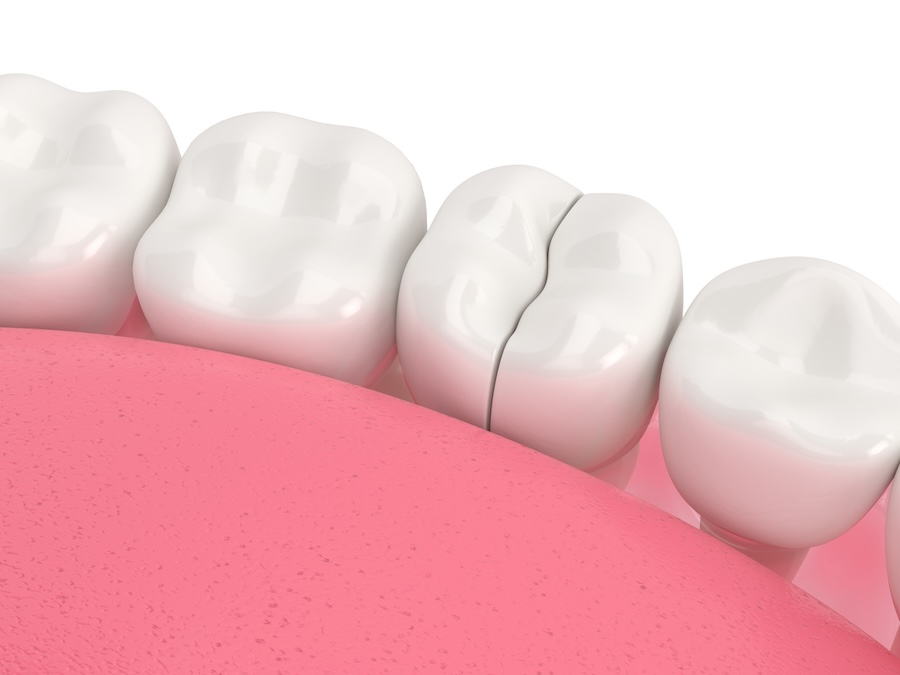
Can a Cracked Tooth Heal on Its Own?
November 6, 2026 9:00 amWhen a tooth hurts during one meal and feels fine at the next, you may wonder whether it is healing. Perhaps you’ve been chewing on the other side or avoiding the food that set it off. Even when those changes reduce the discomfort, the crack remains because a tooth cannot knit back together like a broken bone.
At Stillwater Dentistry in Rome, Georgia, Dr. Saahil Patel can check a potentially cracked tooth that feels sharp, sensitive, or different when you bite. We’ll look for a crack and check whether the nerve or the tissues around the root are affected. Depending on the damage, we may recommend a small repair, a crown, root canal treatment, or removal if the tooth cannot be restored.
Why a Tooth Fracture Cannot Heal
A tooth’s hard outer enamel cannot grow back together once it splits. The dentin underneath cannot close that fracture either. Even if the tooth feels better after a few days, chewing can continue putting pressure on the same weakened area.
You may have seen toothpaste labels that promise to repair or strengthen enamel. Fluoride can help enamel regain minerals after early acid damage, before a cavity develops. However, it cannot fill in a physical crack or hold a broken section of tooth together.
Some Lines Are Limited to the Surface
If you have spotted a fine line on a front tooth, it may be what we call a craze line. These lines stay within the enamel and can be painless, so we may simply monitor them when the tooth is otherwise healthy. During the exam, we check whether the line stays at the surface or whether the tooth shows signs of deeper damage.
If a corner or part of the chewing surface breaks off, we need to check how much solid tooth is left. A small cusp, or raised part of the chewing surface, can sometimes break beside a large filling and still leave enough tooth for repair. However, if the fracture travels toward the root, its depth may limit what we can do to save the tooth.
Pain Can Come and Go With Chewing
When a cracked section moves under pressure, it can irritate tissues inside the tooth. You may feel a sharp sensation when biting or when releasing the bite, particularly with food that lands on one small area. Cold drinks or sweets may cause sensitivity as well.
However, symptoms vary, and some damaged teeth produce very little discomfort. Pain may also come from a loose filling, decay, or inflammation around the root rather than a crack. Dr. Patel checks the tooth, existing dental work, and surrounding gums before recommending a repair.
What We Check During the Exam
During the visit, we ask which foods or temperatures bother the tooth and whether the pain happens as you bite down or let go. We may have you gently bite on a small instrument to check different parts of the tooth. We also examine it with light and magnification and measure the gums around it, since a deep pocket in one narrow area can sometimes point to damage below the surface.
We may also take X-rays to look for decay or changes around the roots that could explain the pain. A small crack often will not show on the image, so we compare the X-ray with what we find during the exam. Sometimes we need to assess an old filling more closely or arrange further testing before we can explain the full extent of the damage.
A Filling or Crown May Protect the Remaining Tooth
If only a small area has broken, a filling or another restoration may replace the missing structure. A crown can cover and support a tooth with a larger damaged area, reducing movement between weakened sections. The treatment depends on how much healthy tooth remains and where the crack travels.
Before recommending a crown, we’ll explain how likely the tooth is to hold up and whether the crack could still spread. If we can protect the tooth now, we may be able to prevent more structure from breaking away. Afterward, let us know about new biting pain or sensitivity so we can check whether anything has changed.
The Nerve May Need Treatment Too
If a crack reaches the pulp, where the nerves and blood vessels are, bacteria can cause inflammation or infection inside the tooth. You may then need root canal treatment as well as a crown or other protective restoration. We would clean and seal the canals inside the tooth, then restore the outer structure so it can tolerate chewing again.
Some fractures leave too little sound tooth or extend into areas that cannot be predictably repaired. A split tooth or certain root fractures may require extraction. If removal is necessary, we can discuss replacement options and the timing of any additional care before planning the next stage.
Protect the Area Until Your Visit
If you think a tooth has cracked, contact us and describe what you are feeling when arranging the visit. In the meantime, choose softer foods and avoid chewing on that tooth. Hard candy, ice, and repeatedly biting down to test the area can put more pressure on the crack.
If a piece breaks off, save it and bring it with you when possible. Avoid household glue or trying to file a sharp edge yourself, since those attempts can injure the tissues or complicate repair. Swelling, increasing pain, or a tooth damaged in an accident should be assessed quickly, while breathing or swallowing difficulty requires emergency medical care.
Cracked Tooth Treatment in Rome, Georgia
A tooth that hurts only occasionally can still have a crack that needs treatment. At Stillwater Dentistry, Dr. Saahil Patel can examine the area and explain whether monitoring, repair, or more involved care fits the damage. Schedule a visit with our Rome, Georgia team, and let’s find out why that tooth keeps changing the way you chew!
Contact UsCategorised in: Restorative Dentistry
 Team
 Preventive
 Restorative
 Cosmetic
 Invisalign
 Sedation
