
The Real Difference Between a Cleaning and a Deep Cleaning
October 16, 2026 9:00 amYou may arrive expecting your usual cleaning and learn that your gums need a different treatment. Perhaps your teeth feel comfortable, but your gums bleed when you floss or food keeps collecting in the same spaces. A routine cleaning and a deep cleaning address different stages of gum health, so the recommendation depends on the condition of the tissues supporting your teeth.
At Stillwater Dentistry in Rome, Georgia, Dr. Saahil Patel and our team evaluate your gums before planning care. Along with checking for bleeding and buildup, we measure the spaces around your teeth and review supporting bone levels when needed. From there, we explain which areas need treatment and how reducing bacteria and inflammation can help preserve periodontal health.
What a Routine Cleaning Does
A routine cleaning removes plaque, tartar, and surface stains from your teeth, including deposits near the gumline. For patients with healthy gums, these visits help maintain the tissues supporting the teeth. Meanwhile, your exam lets us check for changes since your previous appointment.
Some patients have gingivitis, which causes gum inflammation without the loss of attachment and bone associated with periodontitis. In those cases, professional cleaning and more consistent plaque removal at home can help the gums recover. Depending on the amount of buildup and inflammation, we may recommend additional cleaning or follow-up visits.
What a Deep Cleaning Treats
Scaling and root planing, commonly called a deep cleaning, treats periodontitis. Bacteria in plaque trigger an inflammatory response from the body. When that response persists, it can damage the tissues and bone supporting the teeth, allowing the spaces between the teeth and gums to deepen into periodontal pockets.
As those pockets deepen, bacterial plaque and tartar accumulate farther beneath the gumline. Pockets measuring 5 millimeters or more are particularly difficult to maintain at home because toothbrush bristles and floss cannot adequately reach and clean their full depth. Even with consistent brushing and flossing, bacteria can remain in those deeper areas and continue contributing to inflammation.
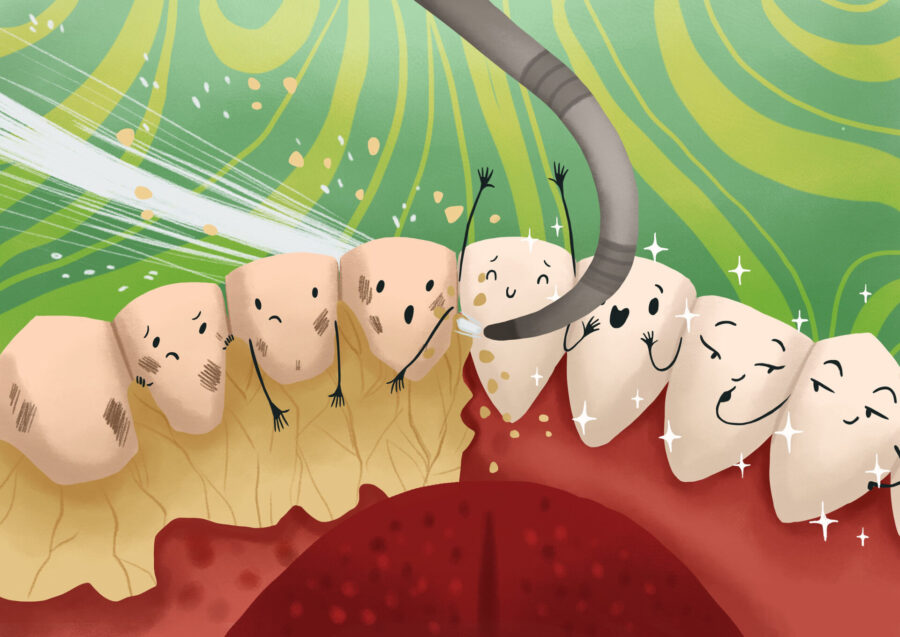
During periodontal therapy, we remove plaque and tartar from above and below the gumline, including deposits on affected root surfaces. This reduces the bacterial load and removes rough tartar deposits where additional plaque can collect. By reducing the bacteria driving the inflammatory response, we help the tissues heal and work to preserve as much of the teeth’s remaining support as possible.
Why Gum Measurements Are Part of the Exam
During a periodontal assessment, we use a small measuring instrument to check the spaces around each tooth. At the same time, we look for bleeding, recession, and changes in how firmly the tissues attach to the teeth. When needed, X-rays help us evaluate the bone supporting the roots.
Together, these findings show where inflammation is present and whether the teeth have lost supporting tissue or bone. For example, a deeper pocket that bleeds during measurement may indicate an area that needs treatment beneath the gumline. We also record these findings so we can compare them after treatment and monitor changes over time.
Periodontal disease can progress with very little discomfort. You may still chew normally while inflammation affects the tissues supporting your teeth. Regular assessments help us identify those changes before you begin noticing loose teeth or difficulty eating.
What the Appointment May Involve
Depending on how many areas need treatment, we may complete scaling and root planing in sections over more than one visit. Local anesthesia helps keep the areas comfortable while we clean beneath the gums. Before we begin, we will explain the planned visits and any additional treatment recommended for your gums.
Afterward, your gums may feel tender, and some teeth may become temporarily sensitive to cold. As you recover, follow the instructions we provide for cleaning and managing discomfort. If symptoms worsen or you have concerns about healing, contact our team so we can check the area.
Why Periodontal Maintenance Continues After Treatment
Once the gums have had time to heal, we reassess pocket depths, bleeding, and the tissue response. Reduced swelling and bleeding can indicate that inflammation is improving, while the measurements help us evaluate the remaining pockets. If deeper pockets or active disease persist, we may recommend further treatment or a visit with a periodontist.
After treatment for periodontitis, periodontal maintenance typically takes place every three to four months. Bacterial plaque begins forming again soon after cleaning, including beneath the gumline where home care has limited reach. These recurring visits allow us to disrupt and remove that buildup regularly, helping reduce disease-associated bacteria and the inflammation they trigger.
During maintenance, we clean above and below the gumline and pay close attention to areas with deeper pockets. We also monitor bleeding, attachment levels, and other changes in the supporting tissues. Over time, those visits help us manage the disease and preserve the periodontal health gained through treatment.
How Home Care Supports Periodontal Health
Daily brushing and cleaning between your teeth help reduce the plaque that collects between appointments. While deeper pockets require professional cleaning, your home routine helps control buildup along the gumline and between teeth. We can demonstrate techniques and recommend tools that fit the spaces you need to clean.
As inflammation settles, your gums may shrink slightly, making spaces between teeth more apparent. An interdental brush or another cleaning aid may fit those areas better than the tool you used before treatment. At your maintenance visits, we can check how your routine is working and adjust it as needed.
Smoking, diabetes, and other health factors can also affect inflammation and healing. For that reason, keep us updated about changes in your medical history, medications, and habits. Dr. Patel can then adjust your monitoring and discuss additional steps that may support your gum health.
Gum Care at Stillwater Dentistry in Rome, Georgia
The cleaning you need depends on the condition of your gums and the tissues supporting your teeth. If we recommend periodontal therapy, we will explain where inflammation and loss of support are present and how treatment can help. We will also discuss the maintenance schedule and home care needed to keep bacterial buildup under control afterward.
If your gums keep bleeding or you have questions about a deep cleaning, schedule a visit with Stillwater Dentistry in Rome, Georgia. Dr. Saahil Patel and our team can examine the areas that concern you and walk you through your treatment options. We would love to help you care for your gums and protect the support your teeth rely on!
Contact UsImage from Authority Dental under CC 2.0
Categorised in: Gum Health
 Team
Team Preventive
 Restorative
 Cosmetic
 Invisalign
 Sedation