
Dental Implants vs Partial Dentures: Which Option Is Right for You?
September 18, 2026 9:00 amMissing teeth can change the way you eat long before you decide what to do about them. You may chew on one side, skip foods that are harder to manage, or notice the gap every time you smile. Once that starts affecting your day, it makes sense to look at your options.
If you are comparing dental implants vs partial dentures, both can replace missing teeth, but they feel very different to live with. An implant stays in your mouth, while a partial comes out for cleaning and at night. The right fit depends on how many teeth are missing, what the surrounding teeth and gums look like, how much bone is available, and whether you are comfortable with surgery or a removable appliance.
At Stillwater Dentistry in Rome, GA, Dr. Saahil Patel and Dr. Christopher Keenan can look at the missing areas, your bite, the nearby teeth, and the bone beneath the gums. From there, we can show you what each option would involve in your mouth. One patient may need a single implant for a back tooth, while another may be better served by a partial that replaces several teeth together.
Dental Implants vs Partial Dentures: What Changes Day to Day?
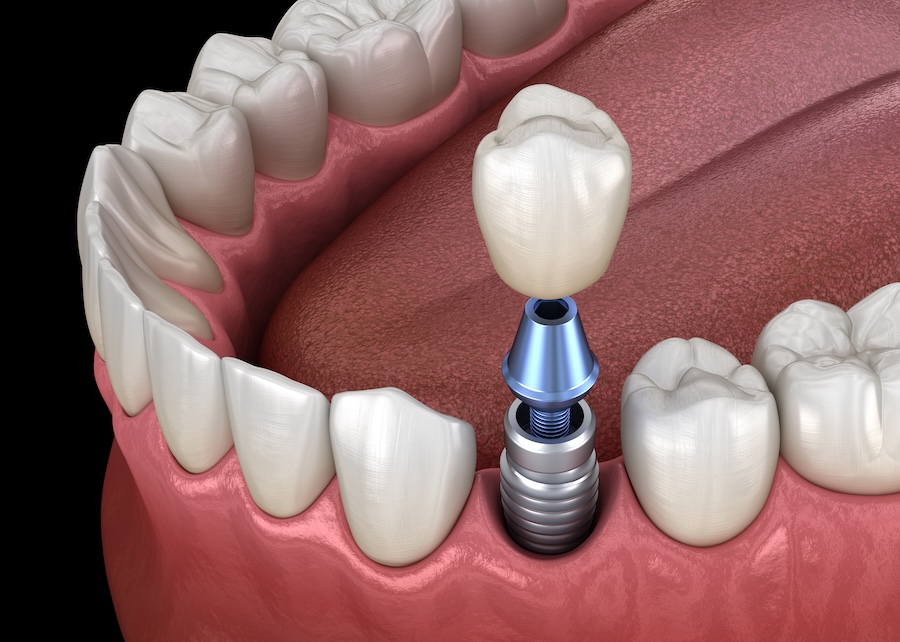
A dental implant replaces the root area of a missing tooth with a small post placed in the jawbone. After the implant has healed into the bone, we can place the crown on top. The finished tooth stays in place, so you brush around it and clean between the teeth along with the rest of your mouth.
A partial denture works differently because it is removable. It fits around the teeth you still have, and those teeth help support it. With a partial, you will take it out to clean it and usually remove it at night. Some patients settle into that routine easily, while others know they would rather not deal with it every day.
If you are missing one tooth, an implant may be a good fit. But if you have several gaps, a partial may give us a way to replace more than one missing tooth at a time without placing an implant in every space. One patient may care most about having something fixed in place, while another may be trying to avoid surgery.
If you already know you do not want something removable, we keep that in mind while we look at your options. On the other hand, if surgery is something you would rather skip, a partial may make more sense to discuss. Both choices can work well, but they ask different things of you once treatment is finished.
What We Need to See Before Placing an Implant
An implant sits in the jawbone, so we need to know how much bone is there and what the area looks like beneath the gums. The scan shows us how much bone is there and where the implant can safely go. If the area does not have enough bone, we can also see whether grafting may need to come first.
The amount of bone can vary quite a bit from one patient to another. A tooth that was removed recently may leave a very different site than one that has been missing for years. We also look at nearby teeth, the gums around the space, and where nerves or sinus areas sit in relation to the implant site.
That information helps Dr. Patel or Dr. Keenan plan the placement with the actual space in mind. A back molar does not have the same surroundings as a front tooth, and the available bone may be different too. The scan gives us a much clearer look before we decide what treatment should involve.
Implants do take more time because the area has to heal before we place the final crown. If the missing tooth shows when you smile, we can talk about a temporary tooth while the implant heals. That way, you know what the in-between stage will look like before treatment starts.
What We Check Before Making a Partial Denture
Before we make a partial, we check the teeth around the gap to make sure they are healthy enough to help support it. If one of those teeth has a cavity, crack, looseness, or gum problem, we may need to take care of that first. A partial fits around the teeth you still have, so the condition of those teeth has a direct effect on how the appliance fits and functions.
We also look at where the gaps are and how your upper and lower teeth meet. Two people can be missing the same number of teeth and still need very different partials because the spaces may be in completely different places. The way you chew also affects how the appliance should sit.
For example, one side of your mouth may take more pressure than the other. If that is the case, we want to know before the partial is made, not after you have started eating with it. The design can then account for where the support needs to come from.
Over time, your mouth can change, which means the fit of a partial can change too. Gums may shrink and teeth can shift, so a partial that felt snug for years may eventually start moving or rubbing. If that happens, we can look at whether an adjustment, reline, repair, or replacement would help.
What Eating Is Like With an Implant
For many patients, eating is where a missing tooth becomes the biggest nuisance. You may move food away from the gap without thinking about it, avoid harder foods, or rely on the other side of your mouth more than you used to. Once an implant crown is finished, that area can start doing its share of the chewing again.
Because the implant stays in place, you are not working around a removable appliance while you eat. The crown becomes part of your bite, and once treatment is finished, most patients start using that side more naturally. During healing, we may ask you to avoid putting too much pressure on the area, but that changes once the final crown is in place.
The tooth will not feel exactly like the natural tooth that was there before because the root and nerve structure are different. Still, most patients care more about whether the tooth feels steady when they chew. Once the crown has been there for a while, it often becomes something you stop thinking about during meals.
What Eating Is Like With a Partial Denture
A new partial usually takes a little more getting used to during meals. Your tongue and cheeks have a new shape to work around, and you may notice the appliance more during the first few days. Softer foods and smaller bites can make that adjustment easier while you get used to chewing with it.
As the partial starts to feel more familiar, meals usually get easier too. Depending on the design, using both sides of your mouth can help the appliance stay balanced while you chew. Sticky or very hard foods may still take a little more care because they can pull on a removable appliance.
Something that feels fine when you first try it on may feel different after lunch or dinner. If the partial keeps rubbing the same spot or leaves you sore, we want to see it rather than have you keep chewing around the problem. Often, a small adjustment can take pressure off the area and improve the fit.
That first week can tell us more than a few minutes in the chair ever could. You are using the appliance while talking, chewing, and going through a normal day. If something does not feel right, that feedback helps us know exactly where to look.
How Speech Can Feel With Either Option
If you are replacing a front tooth, you may notice a change in speech for a short time. Your tongue gets used to the shape of your mouth, including the spaces where teeth are missing. Once that space is filled again, a few sounds may feel unfamiliar while your tongue adjusts.
With an implant, the new tooth stays in the same position every time you speak. That gives your tongue one consistent surface to get used to. After some time, many patients stop noticing the difference when they talk.
A partial can add more material around the teeth or palate, so the adjustment may be a little more noticeable at first. Some patients find that reading aloud at home helps because it gives the tongue repeated practice with the new shape. If speech still feels off after you have worn the partial for a while, we can check the fit and see whether one area needs to be changed.
Cleaning an Implant Compared With a Partial
With an implant, daily care usually feels closer to the routine you already have with your other teeth. You brush around the crown and clean between the teeth, paying attention to the gumline around the implant. The implant itself cannot get a cavity, but plaque can still build up around the gums.
Floss works well for many patients, while others prefer a small interdental brush or water flosser around certain restorations. We can show you which option reaches the area well without making the routine harder than it needs to be. The teeth beside the implant still need the same brushing and flossing they always did.
A partial comes out for cleaning, which gives you access to the appliance and the teeth underneath it. Food can collect around clasps or where the partial sits against natural teeth, so those areas need attention. The supporting teeth also need to stay healthy because the appliance depends on them.
The partial itself needs regular cleaning too. Very hot water can distort some denture materials, so cooler water is safer. Once patients get used to taking it out, cleaning it, and putting it away at night, the routine usually becomes familiar.
When an Implant May Be a Better Fit
If you want a replacement tooth that stays in place, an implant may be a good option to consider. It can replace one missing tooth without putting a removable appliance around the rest of the arch. That often works well when the neighboring teeth are healthy and there is enough bone in the area.
Implants can also be used when several teeth are missing, but that does not always mean placing one implant for every gap. Depending on where the missing teeth are, an implant-supported restoration may replace more than one tooth. We can show you what that setup would look like after reviewing your exam and scan.
Surgery is part of implant treatment, and some patients need bone grafting before the implant can be placed. That adds more time and more treatment before the final crown or restoration is finished. If you do not want surgery, a partial may be the easier option to consider.
Still, some patients are comfortable with a longer process because they really want a fixed replacement. Others decide the surgery is not for them once they hear what is involved. Both reactions are common, and we can explain what applies to your mouth without pushing you in either direction.
When a Partial Denture May Be a Better Fit
A partial can make a lot of sense when several teeth are missing in different parts of the mouth. If you have several gaps, a partial may give us a way to replace more than one missing tooth at a time without placing an implant in every space. That can reduce the number of procedures involved.
A partial also avoids implant surgery and bone grafting. For someone who already knows they do not want surgery, that may be a big part of the decision. The treatment still takes planning, but it follows a different path from implant treatment.
The starting cost is usually lower too, mainly when several teeth need to be replaced. That does not mean every partial costs the same because the design can vary and nearby teeth may need treatment first. But for many patients, the lower starting cost is one reason they want to compare a partial with implants.
You do have to be comfortable with the fact that the appliance comes in and out. Some patients hardly think about that once they get into the routine, while others find it annoying and wish they had chosen something fixed. Knowing which camp you are likely to fall into can help before you commit.
How Treatment Time Compares
Implant treatment usually takes longer because the area has to heal before we place the final crown. Several months between implant placement and the finished restoration is common, and grafting can add more time if it needs to happen first. If the missing tooth is visible, we can talk about a temporary tooth during that period.
A partial usually moves faster because there is no implant healing period. You will still have appointments for impressions or scans, fitting, and adjustments, but the timeline is usually shorter. If you have a wedding, trip, or another event coming up, that may be worth discussing early.
However, faster treatment does not automatically mean it is the better choice for you. Some patients are happy to wait longer for a fixed tooth, while others would rather finish treatment sooner and avoid surgery. Once you know how each timeline would look in your case, that part of the decision becomes easier to weigh.
How the Cost Can Differ
The cost depends on how many teeth you are replacing and whether anything else needs to be done first. An implant can cost more if grafting is needed before placement, while a partial may involve extra dental work if one of the teeth helping support it needs treatment. The number of implants or the type of partial can change the total too.
Implant treatment may include the surgical placement, the implant post, the final crown or restoration, and sometimes grafting. A partial usually has a lower starting price because one appliance can replace several teeth at once. However, the exact difference depends on the treatment you need, not just the name of the option.
Insurance can affect your out-of-pocket cost too. Some plans cover removable dentures differently from implants, and benefits vary from one plan to another. We can review the estimate with you so you know what each option would cost before you make a decision.
It can also help to think beyond the first bill. A partial may need relining, repair, or replacement later, while an implant crown may eventually need repair or replacement too. Looking at what each option may need over time gives you a better picture than comparing only the starting price.
How Long Can Implants and Partial Dentures Last?
Dental implants can last for many years when the gums and bone around them stay healthy. The crown on top can still wear over time and may eventually need repair or replacement. Regular exams let us check the implant, the crown, and the surrounding tissue as the years go by.
A partial denture changes along with your mouth. The appliance can wear, while the gums and teeth underneath it can change shape or position. As that happens, the partial may start to feel looser than it did when it was new.
If the fit changes, the partial may need an adjustment, reline, repair, or replacement. There is no exact schedule because every mouth changes at a different pace. If the appliance starts moving more or creating sore spots, that is a good time to bring it in.
Both options still need regular dental care. We want to keep an eye on the teeth, gums, bite, and restoration so small changes do not turn into bigger problems. That gives us a chance to keep the replacement working comfortably with the rest of your mouth.
Which Option Fits the Way You Want to Live With Your Teeth?
If both options could work in your mouth, the day-to-day difference often becomes the easiest place to start. Some patients do not mind taking a partial out every night, while others know they would rather have something fixed in place. One patient may care most about having something fixed in place, while another may be trying to avoid surgery.
The dental side can narrow things further. An implant may need enough bone or grafting first, while a partial depends more on the condition of the teeth that will help hold it. If either option needs extra treatment first, we can explain what that would involve before you choose.
You may also be thinking about how long treatment takes, how much it costs, and what you will have to do at home afterward. Those are all fair things to compare because they affect your routine long after the appointment is over. We can put those details next to each other and talk through what they would mean for you.
Maybe chewing is the biggest frustration right now, or maybe the gap shows every time you smile. Either way, we start with what you want to change and work from there. You do not need to come in already knowing whether you want an implant or a partial.
Replacing Missing Teeth at Stillwater Dentistry in Rome, GA
At Stillwater Dentistry in Rome, GA, Dr. Saahil Patel and Dr. Christopher Keenan can examine the areas where teeth are missing and talk with you about dental implants, partial dentures, and other ways to restore your smile. We can check your teeth and gums, review your bite, and see how much bone is available in the areas where an implant may be considered. If you are looking at a partial, we can also see which teeth would help support it and whether any of them need attention first.
You may already have questions about eating, cleaning, cost, treatment time, or what the finished result will feel like from day to day. We can go through those questions with you in plain language and show you what each option would involve in your mouth. There is no need to walk in with the decision already made.
If you are ready to replace missing teeth, schedule a consultation with Stillwater Dentistry in Rome, GA. Dr. Patel, Dr. Keenan, and our team can look at what is going on, hear what you want from treatment, and help you compare the options without making the process feel bigger than it needs to be. We’d be happy to help you find a tooth replacement that feels right for your smile and your everyday life!
Contact UsCategorised in: Dental Implants, Dentures
 Team
Team Preventive
 Restorative
 Cosmetic
 Invisalign
 Sedation