
What Happens if You Ignore a Missing Tooth?
July 24, 2026 9:00 amA missing tooth can become part of the routine faster than people expect. At first, the space feels strange. Then you learn to chew on the other side, smile a certain way, or avoid foods that always seem to get stuck there.
Sometimes the tooth is farther back, so it does not feel urgent. If no one can see the gap when you smile, it may be easy to tell yourself you will deal with it later. However, even a back tooth has a job, and the space it leaves behind does not always stay quiet.
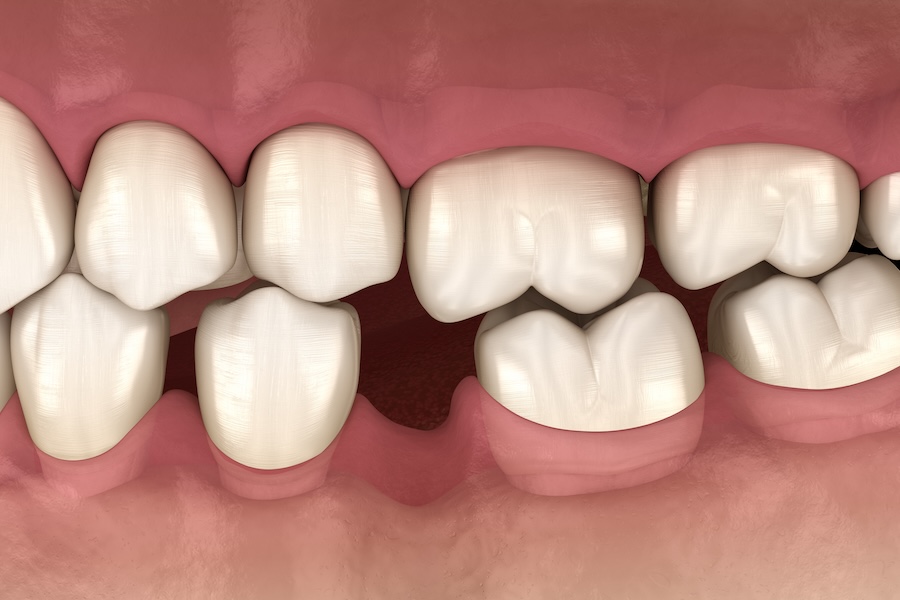
Your mouth does not treat a missing tooth like empty space that stays the same forever. The teeth around it can shift. The bite can change. Food can pack into the gap. The jawbone in that area can shrink because the tooth root is no longer there to stimulate it.
At Stillwater Dentistry in Rome, GA, Dr. Saahil Patel and Dr. Christopher Keenan can look at a missing tooth space and explain what is happening now, what may change over time, and what replacement options may fit your mouth.
Nearby Teeth Can Start to Shift
Teeth do not sit completely still. They respond to pressure from chewing, the tongue, the lips, and the teeth around them. When a tooth is removed or falls out, the teeth beside that space may slowly start to lean or drift toward it.
This movement does not usually happen overnight. You may not notice much at first. Then, over time, floss starts catching in a new spot, food packs between teeth more often, or your bite feels a little different than it used to.
The tooth above or below the missing tooth can also move. When there is no opposing tooth to bite against, that tooth may begin to extend into the open space. That can create a taller-looking tooth or an uneven bite that makes future replacement more complicated.
Once teeth shift, replacing the missing tooth may take more planning. The space may not be the same size it used to be, and the bite may need to be corrected before a bridge, implant, or partial denture can fit properly.
Your Bite May Feel Uneven
A missing tooth changes how chewing forces are shared. The teeth around the gap and the teeth on the opposite side may start doing more work than they were meant to do.
At first, you may simply avoid chewing in that area. Maybe you move chips, bread, or meat to the other side without even thinking about it. However, when one side of the mouth takes more pressure day after day, those teeth may start to feel sore, worn, or more sensitive.
A missing molar can be especially noticeable because back teeth handle much of the heavy chewing. If one is gone, chewing can feel less efficient. Food may not break down as easily, and certain foods may become annoying enough that you stop eating them.
Bite changes can also affect dental work. Fillings, crowns, and natural teeth may take extra force if the bite is no longer balanced. That added pressure can contribute to cracks, chips, soreness, or restorations that wear out sooner than expected.
Food Can Keep Getting Trapped
A missing tooth creates a space where food can collect. That may sound like a small inconvenience, but anyone who has had meat, popcorn, crackers, or stringy vegetables stuck in the same spot over and over knows how irritating it can be.
When food packs into a gap, it can bother the gums and make the area harder to keep clean. You may find yourself reaching for floss after every meal or avoiding certain foods because they always end up in the same place.
Food trapped near neighboring teeth can also raise the risk of decay and gum inflammation. If plaque and debris sit along the sides of the teeth beside the gap, those teeth may become more vulnerable to cavities or gum problems.
The issue can become more noticeable if nearby teeth shift and create new tight spaces or awkward angles. What started as one missing tooth can slowly turn into several areas that are harder to clean.
Jawbone Can Shrink Over Time
Natural tooth roots do more than hold teeth in place. They also stimulate the jawbone when you chew. Once a tooth is missing, that area of bone no longer gets the same stimulation.
Over time, the bone in the missing tooth area can shrink. This is one reason the gum ridge may look flatter or narrower years after a tooth has been removed.
Bone loss can affect future treatment options. A dental implant needs enough bone for support. If the bone has shrunk too much, bone grafting may be needed before an implant can be placed. In some cases, the amount of bone available can affect which replacement options are realistic.
This is one reason it is helpful to talk about a missing tooth sooner rather than years later. Even if you are not ready to replace it immediately, Dr. Patel or Dr. Keenan can explain what may happen to the bone and whether any steps could help preserve the area.
The Opposing Tooth Can Grow Into the Space
When teeth meet during chewing, they help keep each other in position. If a lower tooth is missing, the upper tooth that used to bite against it may slowly move downward. If an upper tooth is missing, the lower tooth may move upward.
This movement is sometimes called overeruption. It can make the opposing tooth look longer than the teeth around it. More importantly, it can interfere with the space needed to replace the missing tooth later.
For example, if the tooth above the gap drops too far down, there may not be enough room for an implant crown, bridge, or denture tooth underneath it. In that case, the overerupted tooth may need treatment before the missing tooth can be replaced.
Overeruption can also create bite pressure in the wrong places. A tooth that has moved out of position may hit sooner than the rest of the teeth, which can make chewing feel uneven or put stress on the tooth.
Your Smile and Face Shape May Change
A front missing tooth changes a smile right away, but back teeth can affect appearance too. When several teeth are missing, the lips and cheeks may not have the same support they once had.
A single missing back tooth may not change your face shape noticeably. However, multiple missing teeth or long-term bone loss can affect the way the mouth looks when resting, speaking, or smiling.
Some people also become more aware of the gap over time. They may smile less freely, avoid photos from certain angles, or cover their mouth when laughing. Even when the space is not visible to others, knowing it is there can affect how comfortable someone feels.
Replacing a missing tooth is not only about appearance, though appearance is a real part of the conversation. It is also about chewing, bite support, bone health, and protecting the teeth that are still present.
Treatment May Become More Involved Later
It is common for people to wait on replacing a missing tooth because life is busy, the tooth is not painful, they are worried about cost, or the gap is not easy to see. Waiting does not always mean replacement becomes impossible, but it can change the plan.
If nearby teeth have shifted, the space may need to be reopened or reshaped. If the opposing tooth has moved into the space, it may need adjustment or treatment. If bone has shrunk, grafting may be needed before an implant. If gum disease contributed to the tooth loss, the gums may need treatment before any replacement is placed.
That can mean more appointments, more cost, and a longer timeline than if the space had been evaluated earlier. Even then, you are not out of options. It just means Dr. Patel or Dr. Keenan may need to work around the changes that have already happened and build the plan from there.
Even if you are not sure which replacement option you want, an exam can give you a clearer idea of where things stand. Dr. Patel or Dr. Keenan can explain whether the space looks stable, whether teeth are shifting, and what options may still be available.
Ways to Replace a Missing Tooth
The right way to replace a missing tooth depends on where the tooth is, how long it has been missing, the condition of nearby teeth, bone levels, gum health, and your budget.
A dental implant replaces the tooth root with a post placed in the jawbone, then supports a crown above the gums. It can be a strong option for many patients because it does not rely on neighboring teeth for support.
A dental bridge can replace a missing tooth by using the teeth on either side for support. This may be a good option when those teeth already need crowns or when an implant is not the best fit.
A partial denture can replace one or more missing teeth with a removable appliance. It may be used when several teeth are missing or when someone wants a removable option.
Each choice has tradeoffs. The best plan depends on your mouth and what will be realistic for you to maintain over time.
When to Call About a Missing Tooth
You do not need to wait until something hurts to ask about a missing tooth. In fact, pain may not show up at all, even while nearby teeth are shifting or bone is changing.
Call Stillwater Dentistry if a tooth was recently removed, if food keeps getting stuck in a missing tooth space, if your bite feels different, or if you are starting to notice teeth leaning toward the gap.
You should also call if the missing tooth area feels sore, the gums bleed often, or you notice swelling, a bad taste, or drainage. Those symptoms may point to infection or gum problems that need attention.
For a tooth that has been missing for years, a visit can still be worthwhile. Dr. Patel or Dr. Keenan can look at the space, check the surrounding teeth, and talk through whether replacing it now could help protect your bite and oral health.
Missing Tooth Replacement at Stillwater Dentistry in Rome, GA
Ignoring a missing tooth can lead to shifting teeth, bite changes, food traps, jawbone loss, and more involved treatment later. Even when the gap is not visible, it can still affect how your mouth functions every day.
At Stillwater Dentistry in Rome, GA, Dr. Saahil Patel and Dr. Christopher Keenan can evaluate your missing tooth space and explain your options, including dental implants, bridges, and partial dentures. Call Stillwater Dentistry to schedule a visit and talk through the best next step for your smile.
Contact UsCategorised in: Dental Implants, Dental Tips
 Team
Team Preventive
 Restorative
 Cosmetic
 Invisalign
 Sedation