
Can a Toothache Go Away on Its Own?
June 5, 2026 9:00 amA toothache has a way of making every normal thing feel a little less normal. Coffee feels risky. Chewing turns cautious. Even sitting still can become annoying if the tooth keeps pulsing in the background like it has its own agenda.
Then, sometimes, the pain fades. Maybe it disappears after a few hours. Maybe it settles down after a day or two. At that point, it is easy to wonder if the problem fixed itself or if the tooth is just taking a break before getting loud again.
At Stillwater Dentistry in Rome, GA, Dr. Saahil Patel, Dr. Christopher Keenan, and the team help patients figure out what tooth pain is really trying to say. Some toothaches come from temporary irritation and may improve, while others quiet down even though the underlying issue is still there. That difference matters because a toothache that “goes away” is not always a toothache that is gone for good.
Why Toothaches Can Come and Go
Tooth pain can be frustrating because it does not always follow a clean pattern. A tooth may hurt in the morning, calm down by lunch, then complain again when you chew dinner. That back-and-forth can make it hard to know whether to call the dentist or wait.
Several things can cause on-and-off tooth pain. A small cavity may only hurt when sweets or cold drinks reach the area. A cracked tooth may feel fine until you bite down at the wrong angle. Gum recession may cause quick sensitivity near the root. Even sinus pressure can make upper teeth feel sore when the teeth themselves are not the main issue.
Because the pattern matters, pay attention to what triggers the pain. Does it happen with cold, heat, sweets, chewing, pressure, or nothing obvious? Does it fade quickly, or does it linger after the trigger is gone? Those details help the dental team narrow down what may be happening.
A toothache can calm down for a while, but the cause may still be present. Teeth are good at giving mixed signals, which is inconvenient, but common.
When a Toothache Might Be Temporary
Some tooth pain is temporary and may improve without major dental treatment. Mild sensitivity after whitening, a recent dental cleaning, or brushing too hard near the gumline may settle down with time and gentler habits.
A tooth may also feel sore after biting something hard, especially if the ligament around the tooth is irritated. This can feel almost like a bruise. If the discomfort is mild, clearly linked to one bite, and improving day by day, the tooth may simply need a short break from heavy chewing.
Sinus pressure can also mimic tooth pain, especially in the upper back teeth. If you have congestion, facial pressure, or seasonal allergies, the roots of the upper teeth can feel tender because they sit close to the sinus area.
Even so, temporary tooth pain should keep moving in the right direction. If it gets worse, keeps coming back, or starts focusing on one tooth, schedule an exam. A tooth that keeps rejoining the conversation usually has a reason.
When Pain Relief Does Not Mean the Tooth Is Fine
One of the trickier parts of tooth pain is that it can fade even when the problem has not healed. This is especially true when the nerve inside the tooth has been severely irritated or infected.
A deep cavity, crack, or dental infection may cause strong pain at first. Then the pain may suddenly ease if the nerve becomes less responsive. That can seem like progress, but it may actually mean the tooth is more damaged than before.
Infection can also drain through the gums, which may temporarily reduce pressure and pain. You might notice a small bump on the gum, a bad taste, or swelling that comes and goes. The relief may not last because the source of infection remains inside the tooth or surrounding tissue.
So, if a tooth hurt badly and then went quiet, it still deserves attention. Teeth do not always announce trouble politely the second time.
Common Causes of Toothaches
Toothaches can come from several sources, and the right treatment depends on the cause. Cavities are one of the most common reasons. As decay moves through enamel and into deeper tooth structure, the tooth may react to cold, sweets, or pressure.
Cracked teeth can also cause pain. Sometimes the crack is easy to see. Other times, it is hidden, and the main clue is pain when biting or releasing your bite. That kind of pain should be checked because cracks can spread.
Gum problems can cause tooth discomfort too. Gum recession may expose sensitive root surfaces, while gum disease can create tenderness, swelling, or pain around the teeth. Meanwhile, an abscess or infection can cause throbbing pain, swelling, fever, or a bad taste.
Other possible causes include worn enamel, clenching or grinding, a high filling, an old restoration that is leaking, impacted wisdom teeth, or sinus pressure. Tooth pain has a long suspect list, and unfortunately, it does not leave notes.
Cold Sensitivity vs. a Toothache
Cold sensitivity can feel sharp, but it is not always a sign of a serious problem. If cold water causes a quick zing that disappears right away, the cause may be gum recession, enamel wear, recent whitening, or mild irritation.
However, cold sensitivity becomes more concerning when it lingers. If the tooth aches for several seconds or longer after the cold is gone, the nerve may be inflamed. A deep cavity, crack, or failing filling could be involved.
Location also matters. Sensitivity in several teeth near the gumline may point to exposed roots or brushing habits. Sensitivity in one specific tooth, especially if it is getting stronger, deserves a closer look.
If you are avoiding cold drinks on one side of your mouth, pay attention to that pattern. Your morning iced coffee should not require a strategy session.
Pain When Chewing Should Not Be Ignored
Chewing pain is different from a quick sensitivity zing. If a tooth hurts when you bite down, it may be reacting to pressure. That can happen with a cracked tooth, deep cavity, high filling, infection, or inflammation around the tooth root.
Sometimes the pain happens when you bite. Other times, it happens when you release the bite. That release pain can be a clue that a crack is flexing under pressure.
Until the tooth is checked, stop chewing on that side. Continuing to test the tooth can make a crack worse or irritate the area further. Nobody needs to keep “checking” with tortilla chips. The tooth already made its point.
At Stillwater Dentistry, Dr. Patel or Dr. Keenan can examine the tooth, take X-rays if needed, and determine whether the issue is tooth structure, nerve tissue, gum tissue, or the bite.
Throbbing Pain May Point to Infection
Throbbing tooth pain can be a sign that the nerve inside the tooth is inflamed or infected. It may feel constant, pulse with your heartbeat, or get worse when you lie down.
Infections can happen when bacteria reach the inner part of the tooth through a deep cavity, crack, or damaged filling. Once infection reaches the pulp, home care will not remove the source.
Other signs of infection can include swelling, tenderness in the gums, a pimple-like bump on the gum, fever, swollen lymph nodes, or a bad taste. Symptoms may come and go, especially if pressure drains temporarily, but the infection itself can remain.
If swelling affects your face, jaw, eye area, throat, breathing, or swallowing, seek urgent medical care. Dental infections can spread and should be taken seriously.
Why Waiting Can Make Treatment More Involved
It is understandable to wait briefly when tooth pain is mild and improving. People are busy, and nobody wants to schedule a dental appointment for something that may fade by morning. Still, waiting too long can make dental problems harder to treat.
A small cavity may only need a filling. If decay reaches deeper, the tooth may need a crown or root canal therapy. If infection spreads or the tooth structure breaks down too much, extraction may become part of the conversation.
A small crack may be manageable with a crown. A crack that spreads below the gumline may not be repairable. In the same way, gum inflammation may improve with a cleaning and better home care, but advanced gum disease needs more involved treatment.
Calling early does not make the problem bigger. It gives Dr. Patel or Dr. Keenan a chance to see what is happening while the tooth may still have more treatment options. It is much better than playing dental detective with one side of your mouth and a search bar.
What You Can Do at Home Before Your Appointment
While waiting for your dental visit, try to avoid whatever triggers the pain. If cold drinks bother the tooth, choose room-temperature water. If chewing hurts, eat softer foods and use the other side of your mouth.
Brush gently with a soft toothbrush and keep the area clean. If food is stuck between teeth, floss carefully rather than digging at the gums with sharp objects. Warm salt water rinses may help soothe irritated gum tissue, but they will not fix a cavity, crack, or infection.
Over-the-counter pain relievers may help some patients, as long as they are safe for you to take. Follow the label directions, and avoid placing aspirin directly on the tooth or gums. It can burn the tissue and will not treat the cause of the pain.
These steps can help you manage discomfort in the short term. However, if the tooth keeps hurting, swelling appears, or symptoms keep returning, home care should not become the whole plan.
What Happens During a Toothache Exam
A toothache exam starts with your symptoms. The team will ask when the pain started, what it feels like, what triggers it, and whether it lingers. Those details are more helpful than many patients realize.
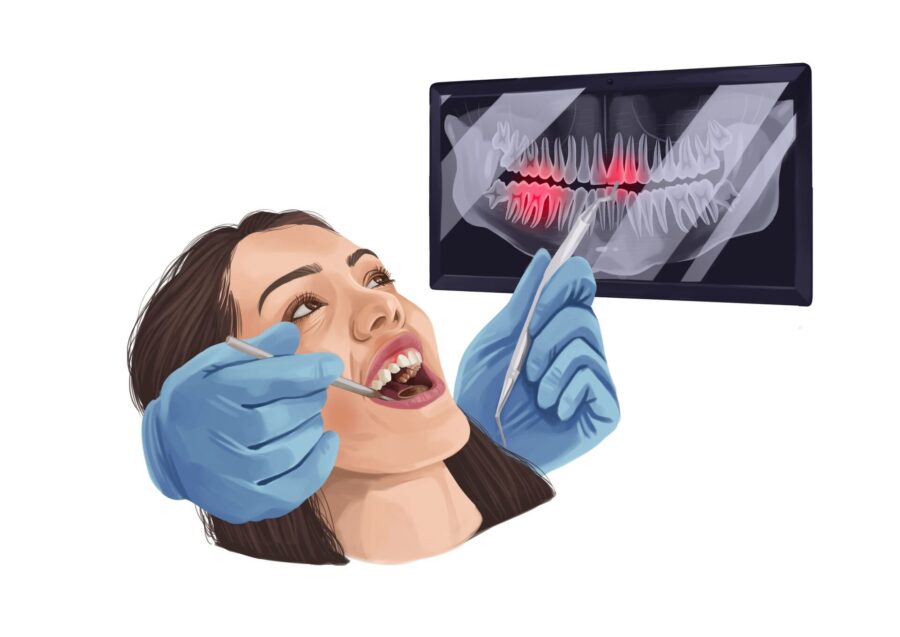
Dr. Patel or Dr. Keenan may check the tooth visually, test temperature sensitivity, tap on the tooth, check your bite, examine the gums, and take X-rays. These steps help identify decay, cracks, infection, bone changes, or issues with older dental work.
Once the cause is clearer, the dentist can explain your options. Treatment may be as simple as smoothing a high filling, placing a new filling, or recommending sensitivity care. In other cases, a crown, root canal therapy, gum treatment, extraction, or another service may be needed.
The point is to stop guessing. Tooth pain is distracting enough without trying to diagnose it from search results and worst-case stories at midnight.
When to Call Stillwater Dentistry
Call Stillwater Dentistry if your toothache lasts more than a day or two, keeps returning, wakes you up, hurts when chewing, or lingers after hot or cold foods. You should also call if the tooth feels cracked, a filling or crown is loose, or the pain is focused on one specific tooth.
Call promptly if you notice swelling, fever, pus, a bad taste, a gum bump, or facial tenderness. These symptoms can point to infection and should not be ignored.
Even if the pain fades, consider scheduling an exam if the tooth hurt intensely, changed how you eat, or has been bothering you off and on for weeks. A quiet tooth is not always a healthy tooth.
If you are unsure, call and describe what is happening. The team can help you decide how soon you should be seen.
Can a Toothache Go Away on Its Own in Rome, GA?
A toothache can sometimes improve on its own when the cause is minor irritation, temporary sensitivity, sinus pressure, or mild soreness from chewing. However, tooth pain from decay, infection, a crack, gum disease, or a failing restoration usually needs dental care, even if the pain fades for a while.
At Stillwater Dentistry in Rome, GA, Dr. Saahil Patel, Dr. Christopher Keenan, and the team can examine the tooth, find the source of pain, and recommend treatment that fits the problem. Depending on the cause, treatment may involve a filling, bite adjustment, crown, root canal therapy, gum care, or another service.
If your toothache keeps coming back, feels intense, causes swelling, or changes the way you eat, schedule a visit with Stillwater Dentistry. Relief is useful, but knowing why the tooth hurt in the first place is what helps you decide what to do next.
FAQs
Can a toothache go away without treatment? Some mild toothaches from temporary irritation or sensitivity may improve. However, pain from cavities, cracks, infection, or gum disease usually needs dental care.
Why did my toothache stop suddenly? A toothache may stop if irritation settles, but it can also stop if the nerve becomes less responsive or infection drains. A sudden stop after severe pain should still be checked.
How long should I wait before calling a dentist for tooth pain? Call if pain lasts more than a day or two, keeps returning, gets worse, hurts when chewing, or comes with swelling, fever, or a bad taste.
Can a cavity toothache go away on its own? A cavity may stop hurting temporarily, but decay does not heal on its own. The tooth usually needs a filling or another restoration to stop the damage from spreading.
What does an infected tooth feel like? An infected tooth may cause throbbing pain, swelling, gum tenderness, fever, a pimple-like bump on the gum, or a bad taste. Some infections cause symptoms that come and go.
What can I do for a toothache before my appointment? Avoid chewing on the painful side, keep the area clean, rinse with warm salt water if the gums feel irritated, and use over-the-counter pain relievers only as directed.
Contact UsImage from Authority Dental under CC 2.0
Categorised in: Toothaches
 Team
Team Preventive
 Restorative
 Cosmetic
 Invisalign
 Sedation