
Cavities 101: How They Form and How to Prevent Them
October 9, 2026 9:00 amCavities can develop long before a tooth starts hurting. You may be eating comfortably while an area between two teeth gradually loses minerals. Because those early changes can be easy to miss, understanding how cavities form can help you protect your teeth before they need a filling.
At Stillwater Dentistry in Rome, Georgia, Dr. Saahil Patel and our team check for decay and look at factors that may increase your risk. Along with examining your teeth and existing dental work, we consider dry mouth, daily cleaning, and eating habits. From there, we can recommend prevention that fits your mouth and routine.
How Cavities Form
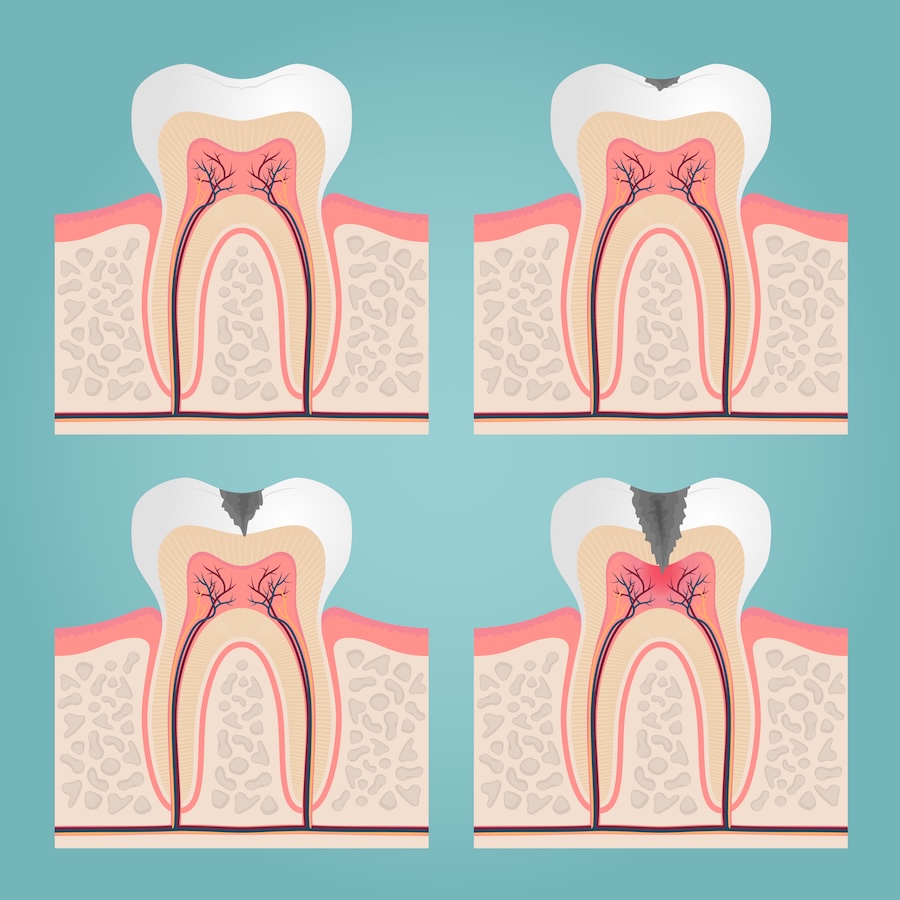
Bacteria in plaque use sugars from foods and drinks to produce acids. As those acids contact your teeth, they remove minerals from the surface. Saliva and fluoride help restore minerals between these episodes, but repeated acid exposure can gradually lead to decay.
At first, mineral loss may appear as a white spot, and preventive care can sometimes stop or reverse that early change. Once decay creates a hole, however, the lost tooth structure needs repair. A filling may be enough for a smaller cavity, while deeper decay may require more extensive treatment.
Where Decay Can Develop
Deep grooves in back teeth can collect plaque and food residue. Meanwhile, tight spaces between teeth are vulnerable because toothbrush bristles have trouble reaching them. As a result, a tooth may look healthy from the front while decay develops along a hidden surface.
Decay can also develop around existing crowns and fillings. Although the restoration covers part of the tooth, the natural tooth along its edges remains vulnerable where plaque collects. During regular exams, we check those edges for decay, wear, and changes that could affect the restoration.
Exposed roots also need protection. When gums recede, they uncover root surfaces that lack the enamel covering the crown of the tooth. Because these surfaces are more vulnerable to decay, Dr. Patel may recommend additional fluoride or changes to your cleaning routine.
Frequent Snacking Extends the Exposure
What you eat contributes to cavity risk, and so does how often you eat it. For example, a sweet snack followed by sips of sweetened coffee gives plaque bacteria repeated access to sugar. When that pattern continues throughout the afternoon, your mouth has fewer breaks for saliva to neutralize acids and help restore minerals.
To reduce those repeated exposures, keep sweets with meals when possible and choose water between meals and snacks. Start by looking at habits that stretch across several hours, such as a drink you keep sipping at your desk. Having that drink with lunch and switching to water afterward can reduce how often your teeth encounter sugar.
Dry Mouth Can Raise the Risk
Saliva washes away food residue, helps neutralize acids, and supplies minerals that protect tooth surfaces. When saliva flow decreases, your teeth lose some of that daily protection. Medications, certain health conditions, and other factors can cause ongoing dry mouth.
If your mouth often feels dry or you need water to swallow dry foods, bring it up at your visit. Since medications can contribute, we will review your medication list and any recent changes without asking you to adjust prescriptions yourself. Depending on the cause and your cavity risk, we may discuss additional fluoride, products for dry mouth, or follow-up with your medical provider.
Prevention That Fits Your Teeth
Brush twice daily with fluoride toothpaste and clean between your teeth each day. Together, these habits remove plaque from surfaces where decay can develop. If a back tooth or the edge of a crown is difficult to reach, our team can demonstrate a technique or tool that fits the area.
Along with daily cleaning, Dr. Patel may recommend additional fluoride or sealants for suitable grooves in back teeth. Regular exams and X-rays, when needed, help us identify decay between teeth and other changes you may miss at home. As your health or dental needs change, we can adjust your prevention plan accordingly.
When a Tooth Starts Feeling Different
Sensitivity to sweets or cold can accompany decay, although several other conditions can cause similar symptoms. For instance, a tooth that hurts when you bite may have a crack or a problem with an existing filling. Before recommending treatment, we examine the tooth to find the cause.
If discomfort keeps returning, arrange a visit even when chewing on the other side lets you avoid it. Decay may continue to deepen during stretches when the tooth feels comfortable. By checking it sooner, we can determine whether a filling can repair the damage or whether the tooth needs additional treatment.
Cavity Prevention in Rome, Georgia
Cavity prevention starts with your daily habits and the places that are hardest to clean. At your exam, Dr. Saahil Patel can check those areas and review changes such as dry mouth or sensitivity. We can then recommend specific steps to reduce your risk and explain any treatment a tooth needs.
If you are due for an exam or have a tooth that keeps bothering you, schedule a visit with Stillwater Dentistry in Rome, Georgia. Bring your questions about the sensitivity you notice with cold drinks or the spot you struggle to floss. We would love to help you care for your teeth and enjoy your everyday meals comfortably!
Contact UsCategorised in: Preventive Dentistry, Restorative Dentistry
 Team
Team Preventive
 Restorative
 Cosmetic
 Invisalign
 Sedation