
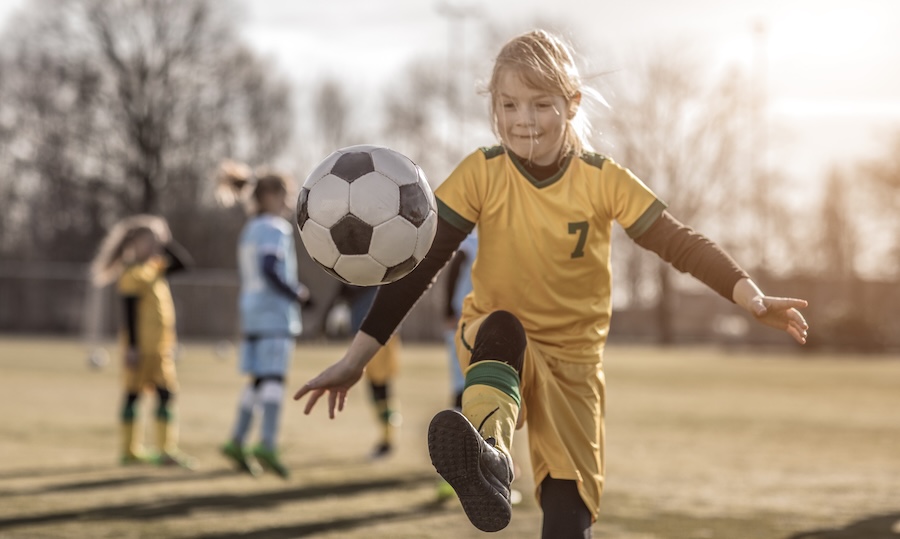
How to Protect Your Child’s Teeth During Fall Sports
August 7, 2026 9:00 amFall sports can fill the calendar fast. One week, you are buying cleats and finding the missing water bottle; the next, you are standing on the sidelines wondering how a uniform got that muddy before halftime. Somewhere in all that motion, your child’s teeth need a little protection too.
At Stillwater Dentistry in Rome, GA, Dr. Saahil Patel and Dr. Christopher Keenan see plenty of active kids and teens, and sports-related dental injuries are something families can often prepare for. A mouthguard, good hydration habits, smart snack choices, and a quick response when something gets bumped can all help protect a young athlete’s smile. None of those steps need to make sports feel complicated.
The best place to start is with the activities your child actually plays. Football, soccer, basketball, cheer, volleyball, and other fall sports all come with different kinds of contact, falls, and flying elbows. Even a sport without helmets or shoulder pads can still produce a chipped tooth in one unlucky second.
Start With a Mouthguard That Actually Gets Worn
A mouthguard cannot help much if it lives in the bottom of a sports bag. It needs to fit well enough that your child can breathe, talk, and keep it in place without constantly chewing on it. If it feels bulky or keeps slipping around, there is a good chance it will spend more time beside the water bottle than in your child’s mouth.
For contact sports, a properly fitting mouthguard helps cushion blows to the teeth, lips, cheeks, and jaw. It can also reduce the chance that an upper tooth cuts into the lower lip during a collision. That small piece of gear earns its place alongside helmets, shin guards, and pads.
If you are unsure whether your child’s current mouthguard fits well, bring it to Stillwater Dentistry. Dr. Patel or Dr. Keenan can take a look and tell you whether it is sitting properly. A quick check can be especially helpful before a busy season gets underway.
Custom Mouthguards Can Be Easier to Keep in Place
Store-bought mouthguards can work, but fit varies quite a bit. Some are bulky, some loosen as a child talks, and some require so much biting pressure that wearing them becomes tiring. A custom mouthguard is made to fit the individual shape of your child’s teeth.
That closer fit can make speaking and breathing easier during practice or a game. It also tends to stay in place without your child having to clamp down on it constantly. When a mouthguard feels less distracting, young athletes are more likely to keep it where it belongs.
A custom mouthguard can be especially helpful for kids who play contact sports regularly or participate in more than one season. If your child has had trouble keeping a boil-and-bite guard in place, tell us. We can discuss whether a custom option makes more sense for the way they play.
Braces Need a Little Extra Room
If your child has braces, mouth protection becomes even more important. A hit to the mouth can press brackets or wires into the lips and cheeks, creating cuts in addition to the injury itself. At the same time, the teeth are moving, so the mouthguard needs to accommodate those changes.
An orthodontic mouthguard is designed with extra room around brackets and wires. That space allows the guard to protect the mouth without fitting so tightly that it interferes with orthodontic treatment. A conventional snug-fitting guard may not be the best choice while teeth are actively shifting.
If your child wears Invisalign, have them remove the trays before putting in a boil and bite mouthguard rather than trying to wear both at once. Once practice or the game is over, they can rinse their mouth, put the aligners back in, and still stay comfortably within the usual 20–22 hours of daily wear.
If your child plays sports with braces, bring the mouthguard question up before the season starts. Dr. Patel or Dr. Keenan can help you think through what type of protection fits the situation. It is much easier to sort that out before the first game than after a bracket has met someone’s elbow.
Do Not Forget the Sports That Seem Less Physical
Football usually gets the most attention when people think about mouthguards, but plenty of dental injuries happen outside full-contact sports. Basketball has quick changes in direction, crowded rebounds, and plenty of accidental elbows. Soccer adds falls, head-to-head contact, and a ball moving fast enough to catch someone off guard.
Cheerleading and gymnastics also come with hard surfaces and sudden falls. Volleyball can send a ball toward the face faster than expected, while baseball and softball add bats, balls, and close plays. A sport does not need helmets and tackling to put teeth at risk.
If your child has a history of chipped teeth, dental work, or previous mouth injuries, mention that before the season begins. We can take those details into account when discussing protection. Past injuries can make certain teeth worth watching more closely.
Teach Your Child to Keep the Mouthguard Clean
A mouthguard spends a lot of time in a warm mouth, so it needs regular cleaning. After practice or a game, have your child rinse it with cool water and gently brush it with a soft toothbrush. Then let it dry before storing it in a ventilated case.
Avoid tossing a wet mouthguard into a sealed gym bag and forgetting about it until the next practice. That combination of moisture, heat, and yesterday’s sports drink is not exactly friendly territory. A few minutes of cleaning keeps the guard fresher and easier to wear.
Also, check the mouthguard occasionally for tears, rough edges, or changes in fit. Growing kids can outgrow dental gear faster than parents expect. If the guard starts feeling tight, loose, or uncomfortable, it may be time for a replacement.
Water Is Still the Best Sideline Drink
Fall practices can be hot in Rome, even when the calendar says the season is changing. Hydration is essential, but what your child sips throughout practice can affect the teeth too. Water is still the easiest choice for frequent drinking.
Sports drinks often contain sugar and acids, and repeated sipping keeps those ingredients in contact with the teeth. One bottle consumed with a meal is different from taking small sips every few minutes for two hours. That repeated exposure gives cavity-causing bacteria more opportunities to work.
If your child needs an electrolyte drink during especially intense activity, follow it with water when possible. Water helps rinse the mouth and keeps saliva flowing. For most routine practices, a well-filled water bottle is usually the simplest choice.
Dry Mouth Can Show Up During Long Practices
Running, mouth breathing, heat, and not drinking enough can leave a young athlete with a dry mouth. Saliva normally helps wash away food particles and neutralize acids, so a dry mouth gives teeth less natural protection. That can be especially noticeable during long practices or tournaments.
Encourage your child to take regular water breaks rather than waiting until they feel extremely thirsty. A few sips throughout activity can keep the mouth more comfortable and help with hydration. It is also easier than trying to catch up with a giant drink once practice is over.
If your child frequently complains of a very dry mouth even when they are drinking water, mention it at their next dental visit. Medications, allergies, and other factors can sometimes contribute. Dr. Patel or Dr. Keenan can look for signs that the dryness is affecting the teeth or gums.
Choose Tooth-Friendly Snacks for Practice Days
Fall sports can turn the back seat into a rolling snack station. Granola bars, fruit snacks, crackers, sports chews, and sweet drinks are easy to grab between school and practice. The trouble starts when sticky or sugary foods keep showing up throughout the afternoon.
Sticky snacks can cling around the grooves of back teeth and between teeth long after the wrapper is gone. Meanwhile, frequent snacking gives oral bacteria a steady supply of carbohydrates to break down. That can raise cavity risk, especially when brushing does not happen until much later.
When possible, pair a snack with water and choose foods that do not stick around as long. Cheese, yogurt, nuts when age-appropriate, sandwiches, fresh fruit, and protein-based snacks can all work well between school and practice. The snack does not have to be fancy; it just should not coat the teeth until dinner.
Give Teeth a Chance to Recover Between Snacks
A busy sports afternoon can easily turn into constant nibbling. There may be a snack after school, another in the car, something during practice, and then a treat on the way home. Even small amounts can add up when the teeth are being exposed again and again.
Instead, try to keep snacks more defined rather than letting your child graze all afternoon. Afterward, water can help clear away food and sugars until brushing is possible. This rhythm is easier on the teeth than having something sweet or starchy every twenty minutes.
That does not mean a post-game treat is off the table. Ice cream after a win is not going to undo a season of good habits. The bigger concern is frequent exposure day after day.
Do Not Skip Brushing on Late Practice Nights
Evening practices have a talent for pushing the whole routine later. By the time everyone gets home, finds dinner, showers, and finishes homework, brushing can feel like one more thing standing between your child and bed. Still, those are often the nights when teeth have seen snacks and drinks for hours.
Have your child brush for two minutes with fluoride toothpaste before going to sleep. Flossing is also important, especially if food tends to get caught between the back teeth. If the mouthguard goes back in the next day, starting with clean teeth is much better than trapping yesterday’s plaque underneath it.
For younger kids, a quick reminder or supervision may still be needed after a long day. Tired children are not famous for their attention to molars. A brief check can keep the bedtime routine from becoming a ten-second swipe across the front teeth.
Watch for Teeth That Suddenly Feel Different
Not every sports injury comes with a visibly broken tooth. A hit to the mouth can leave a tooth sore, tender when biting, or sensitive to temperature even when it looks normal. Sometimes the change is subtle enough that a child only mentions it later.
Ask your child to tell you if a tooth feels loose, sore, numb, or different after a collision. A tooth that suddenly feels “higher” when they bite can also be worth checking. Those details can help us identify an injury that is not obvious from the outside.
If discomfort lasts or the tooth was hit directly, call Stillwater Dentistry. Dr. Patel or Dr. Keenan can examine the tooth and decide whether X-rays or additional testing are needed. Waiting for a tooth to change color or become very painful can make the next step more complicated.
A Chipped Tooth Should Be Checked
A small chip may not seem urgent, especially if your child says it does not hurt. However, a fracture can expose deeper layers of the tooth and leave a sharp edge against the tongue or cheek. Larger chips can also come close to the nerve inside the tooth.
If you can find the broken piece, save it and bring it with you. Rinse your child’s mouth gently with water, and use a cold compress if the lip or cheek is swollen. Then call the office so we can determine how soon the tooth should be seen.
Sometimes a small chip only needs smoothing or bonding. A larger fracture may need more treatment depending on how deep it extends. Either way, the sooner we can see what happened, the easier it is to plan the repair.
Know What to Do If a Permanent Tooth Is Knocked Out
A knocked-out permanent tooth is a true dental emergency. If it happens, pick up the tooth by the crown, which is the white part you normally see, rather than touching the root. If it is dirty, gently rinse it without scrubbing or removing attached tissue.
If possible, place the tooth back into the socket and have your child hold it there gently. If that is not possible, keep it moist in milk or another appropriate tooth-preservation solution while you head for dental care. Do not wrap it in a dry tissue and leave it on the counter.
Call Stillwater Dentistry immediately and tell us a permanent tooth has been knocked out. Time is especially important in this situation, so this is not a “wait and see how it feels tomorrow” injury. The sooner the tooth is treated, the better the chance that it may be successfully replanted.
A Knocked-Out Baby Tooth Is Handled Differently
If a baby tooth is knocked out, do not try to put it back into the socket. Replanting a primary tooth can damage the developing permanent tooth underneath. Instead, control any bleeding with clean gauze and call us.
We will want to know how the injury happened, which tooth was involved, and whether there are other injuries to the mouth. Depending on your child’s age and the location of the tooth, we may want to examine the area. The surrounding gum, lip, and nearby teeth can also be injured during the same fall or collision.
If you are not sure whether the tooth was a baby tooth or a permanent one, call anyway. That question can be surprisingly hard to answer in the middle of a stressful moment. We can help you figure out what to do next.
A Loose Tooth After a Hit Needs Attention
After a collision, a permanent tooth may still be in the mouth but feel loose. It may also look slightly pushed forward, backward, or sideways compared with the neighboring teeth. Even if there is no blood or obvious fracture, that movement can mean the supporting tissues have been injured.
Have your child avoid biting on the tooth and stick with softer foods until it can be evaluated. Do not keep wiggling it to see how loose it is, even though that can be tempting. The tooth has already had enough excitement for one day.
Call Stillwater Dentistry so Dr. Patel or Dr. Keenan can examine it. Depending on the injury, the tooth may need monitoring, stabilization, or another type of care. X-rays can also show changes around the root that are not visible in the mirror.
Lip and Cheek Injuries
Teeth are not the only part of the mouth that can get hurt during sports. A fall or elbow can split the lip, cut the cheek, or push a tooth into the soft tissue. Mouthguards can help reduce some of these injuries by creating a cushion between the teeth and surrounding tissue.
For a small cut, gently rinse the mouth and apply clean gauze with pressure if there is bleeding. A cold compress outside the mouth can also help with swelling. However, a deep cut, heavy bleeding, or an injury with something embedded in the tissue needs prompt evaluation.
Check the teeth at the same time, because a lip injury can distract from a chipped or loose tooth underneath. If your child took a hard hit to the face, tell us exactly where the impact happened. Sometimes the bruise tells only half the story.
Do a Quick Mouth Check After a Hard Collision
Most parents can tell when a sports injury is obvious, but smaller dental injuries can slip past in the rush after a game. Once your child has calmed down, take a quick look at the front and back teeth if they were hit in the face. Compare the injured side with the other side and ask whether anything feels different.
Look for chips, cracks, bleeding around a tooth, or a tooth that seems out of position. Then have your child gently bring the teeth together and tell you whether the bite feels normal. If something suddenly hits first or feels sore under pressure, call us.
You do not need to inspect every tooth from every angle. A quick look and a few simple questions are usually enough to spot something that seems different. If a tooth looks chipped, feels loose, or your child says the bite feels off, we can take a closer look in the office.
Regular Dental Visits Help Before the Season Starts
A routine dental exam before or during sports season gives Dr. Patel and Dr. Keenan a chance to check for cavities, loose dental work, or teeth that may already be weakened. A large filling, untreated cavity, or cracked tooth can be more vulnerable when contact is added to the mix. It is better to know about those areas before the first hard hit.
This is also a good time to ask about mouthguards and bring in any guard your child is already wearing. We can check the fit and look for areas that rub or loosen when your child talks. Growing mouths change quickly, especially during the middle school and high school years.
If your child has recently had a filling, crown, orthodontic treatment, or another procedure, mention the sport they play. We can tell you whether there are any extra precautions to take. A little planning before the season is easier than trying to improvise after an injury.
Protecting Your Young Athlete’s Smile at Stillwater Dentistry in Rome
Fall sports should be full of practices, teammates, competition, and the occasional pile of muddy laundry—not avoidable dental injuries. A well-fitting mouthguard, plenty of water, thoughtful snacks, and quick attention after a hard hit can go a long way toward protecting your child’s teeth throughout the season. Meanwhile, regular dental visits give us a chance to catch problems before they follow your child onto the field or court.
At Stillwater Dentistry in Rome, Dr. Saahil Patel and Dr. Christopher Keenan can help your family prepare for fall sports with preventive dental care and guidance on protecting young smiles. If your child already wears a mouthguard, bring it along and we can check how it fits. If an injury happens during practice or a game, call us and tell us what happened so we can help you decide what comes next.
Before the season gets any busier, schedule your child’s dental visit with Stillwater Dentistry in Rome. We can check their teeth, talk about sports protection, and make sure their mouthguard is ready for the months ahead. Give us a call and help your young athlete head into the season with a well-protected smile!
Contact UsCategorised in: Athletic Mouthguards, Dental Tips
 Team
Team Preventive
 Restorative
 Cosmetic
 Invisalign
 Sedation